


The Venetian mask appears as far back as 1268 and the masqueraders were already working at the time of Doge Foscari with their own regulations dating back to 1400. ⠀
The masqueraders usually belonged to the category of painters and were helped by targheri, artisans who painted faces on stucco. The masks were typically, as they still are today, made of papier-mâché and embellished with jewels and fabrics.
The production of masks intensified over the years so much, that by the end of 1700 there were already 12 “maschereri” stores, becoming, like Carnival, a symbol of freedom and a desire for color.
Once upon a time, the Venetian mask was allowed not only during Carnival, but also on many other occasions such as the 26th of December (which marked the beginning of Carnival for Venetians), or during the 15 days of Ascension Day. While other items such as the Bauta and the tabarro were also allowed during the most important feasts and banquets.⠀
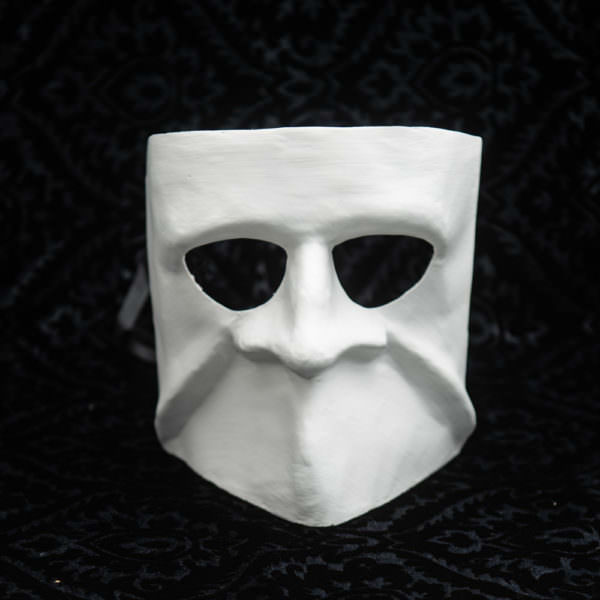
The Bauta

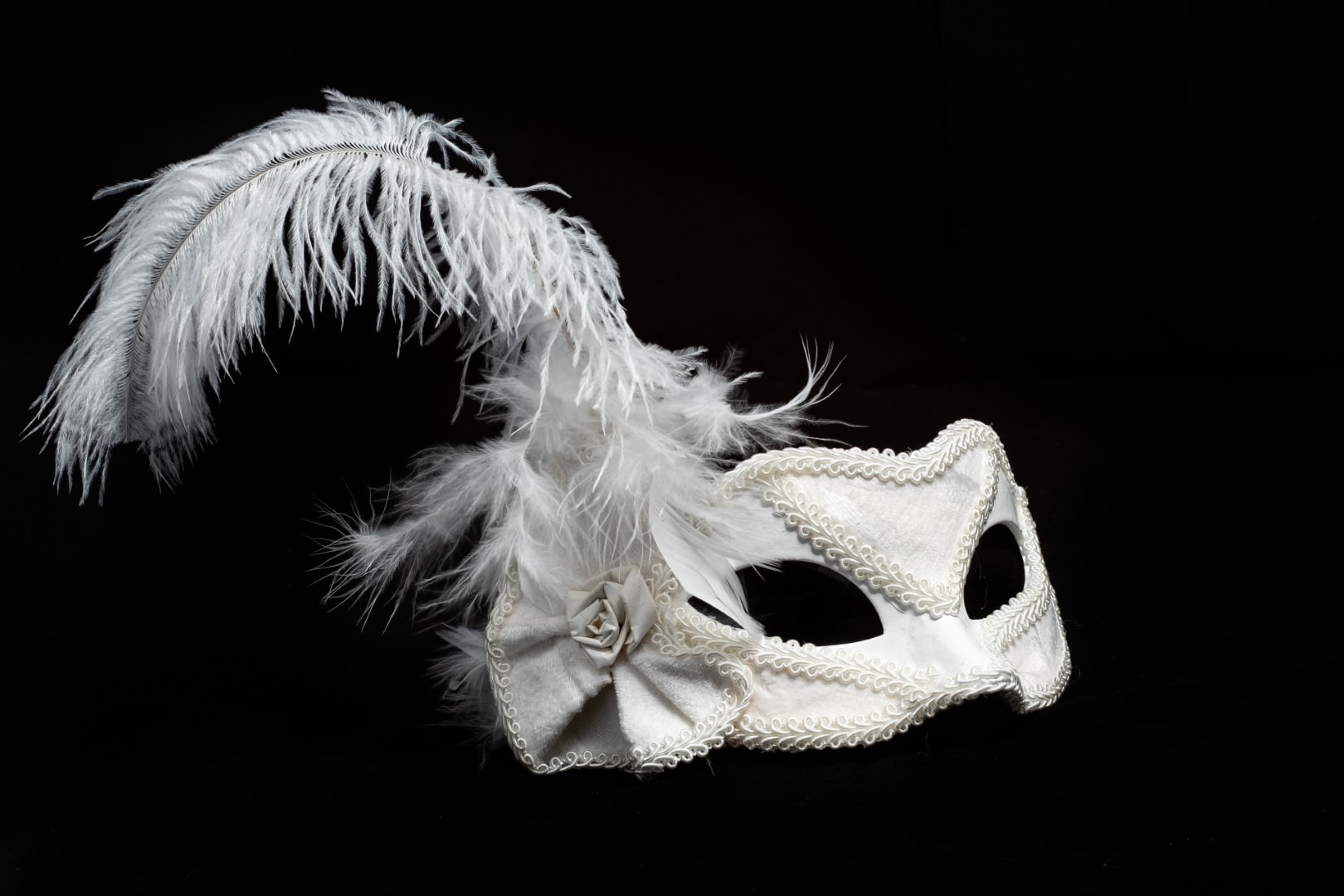
It was a mask used by both men and women and was an obligation for married women who had to go to the theater, while it was forbidden for girls of marriageable age. This was also a mask that allowed to drink and eat without ever having to be removed and the all white one was also called larva, from its Latin meaning of mask or ghost.

The Moretta

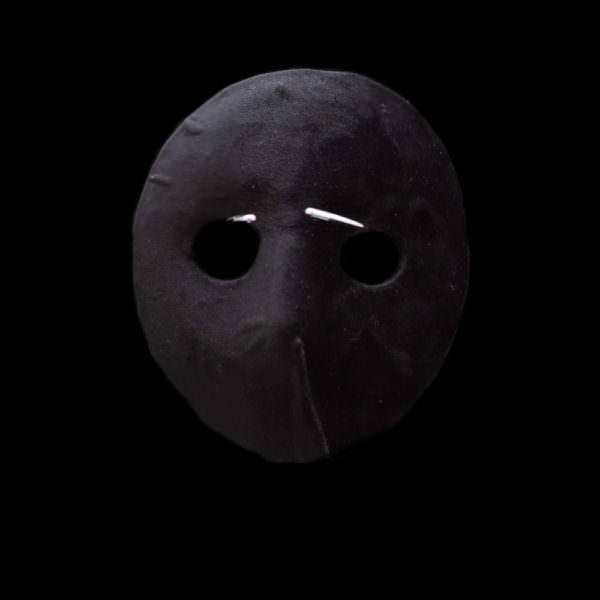
One of the most typical Venetian masks was the moretta, an oval mask made of black velvet and used by women who, at least initially, had to hold it up by holding a little button on the back in their mouths, thus becoming mute.
We can also see it in Pietro Longhi’s work “The Rhinoceros”, which you can admire at Ca’ Rezzonico.⠀
The Colombina

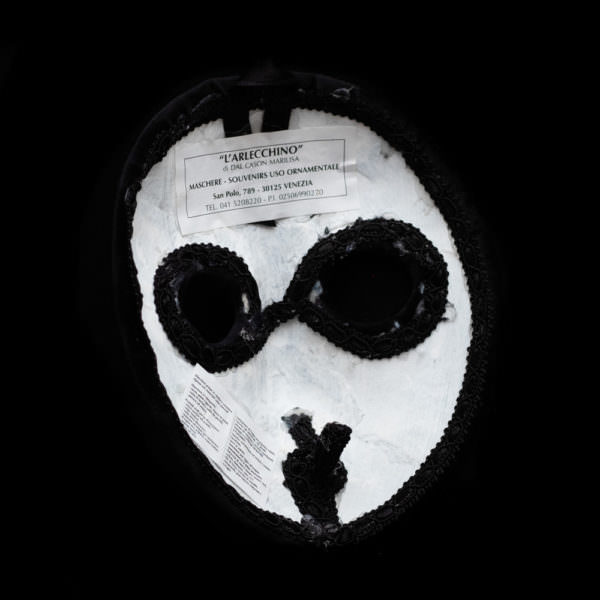
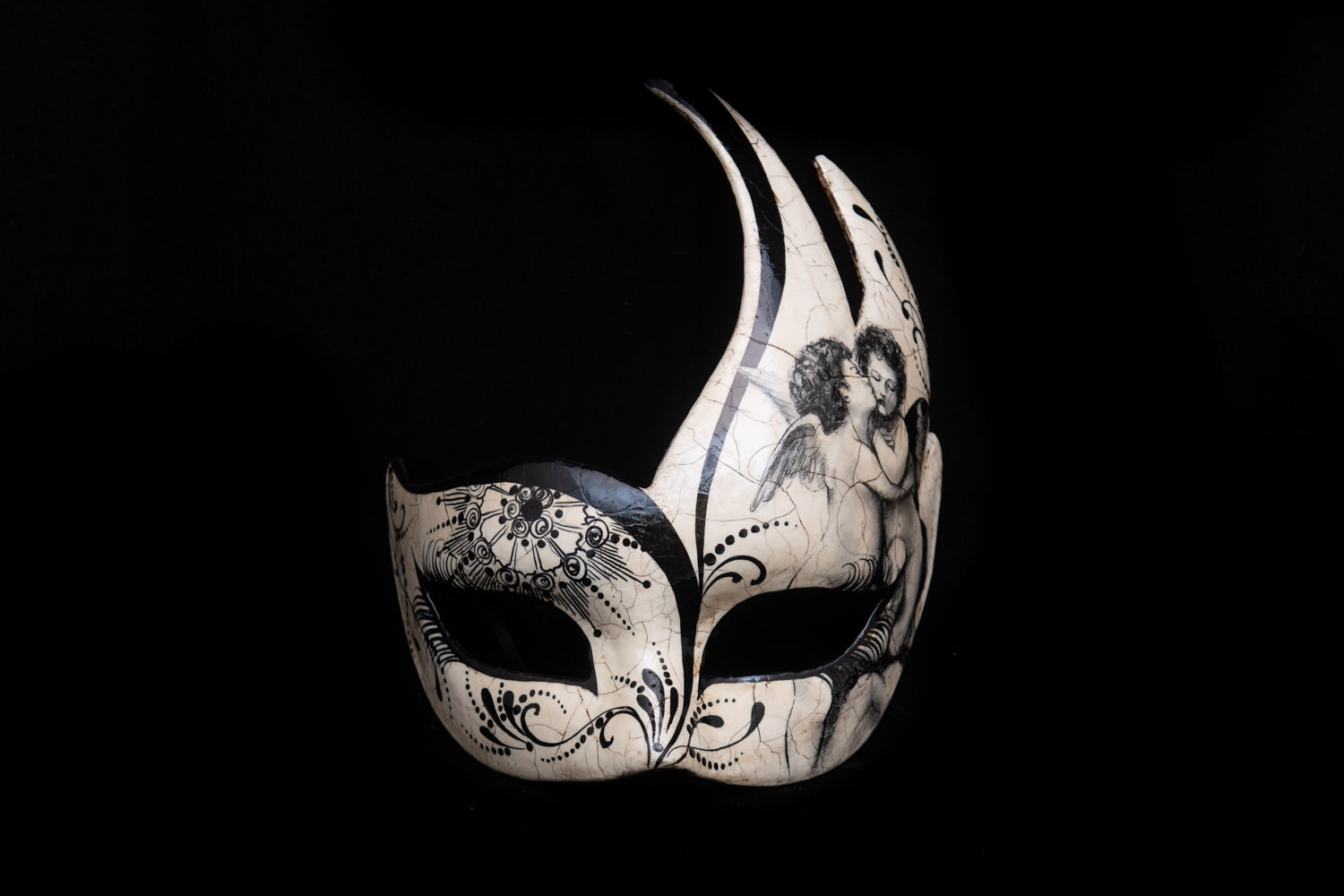
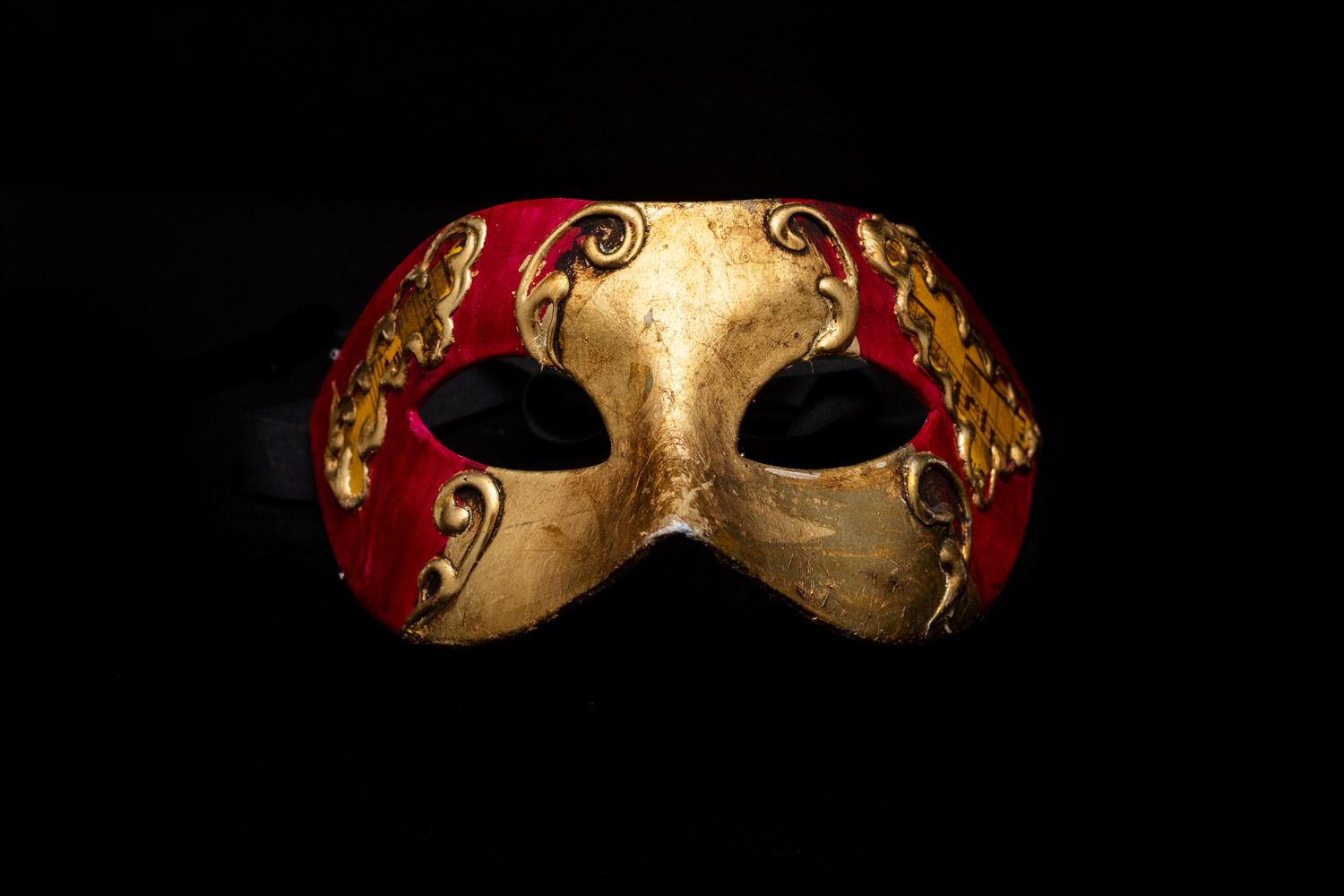
Among the most used masks even today there is, for sure, the colombina. This is a mask that embodies the cunning of the handmaidens with its roots in the works of Plautus and then establishing itself again around the 1500s thanks to the Compagnia degli Intronati.





The Plague Doctor

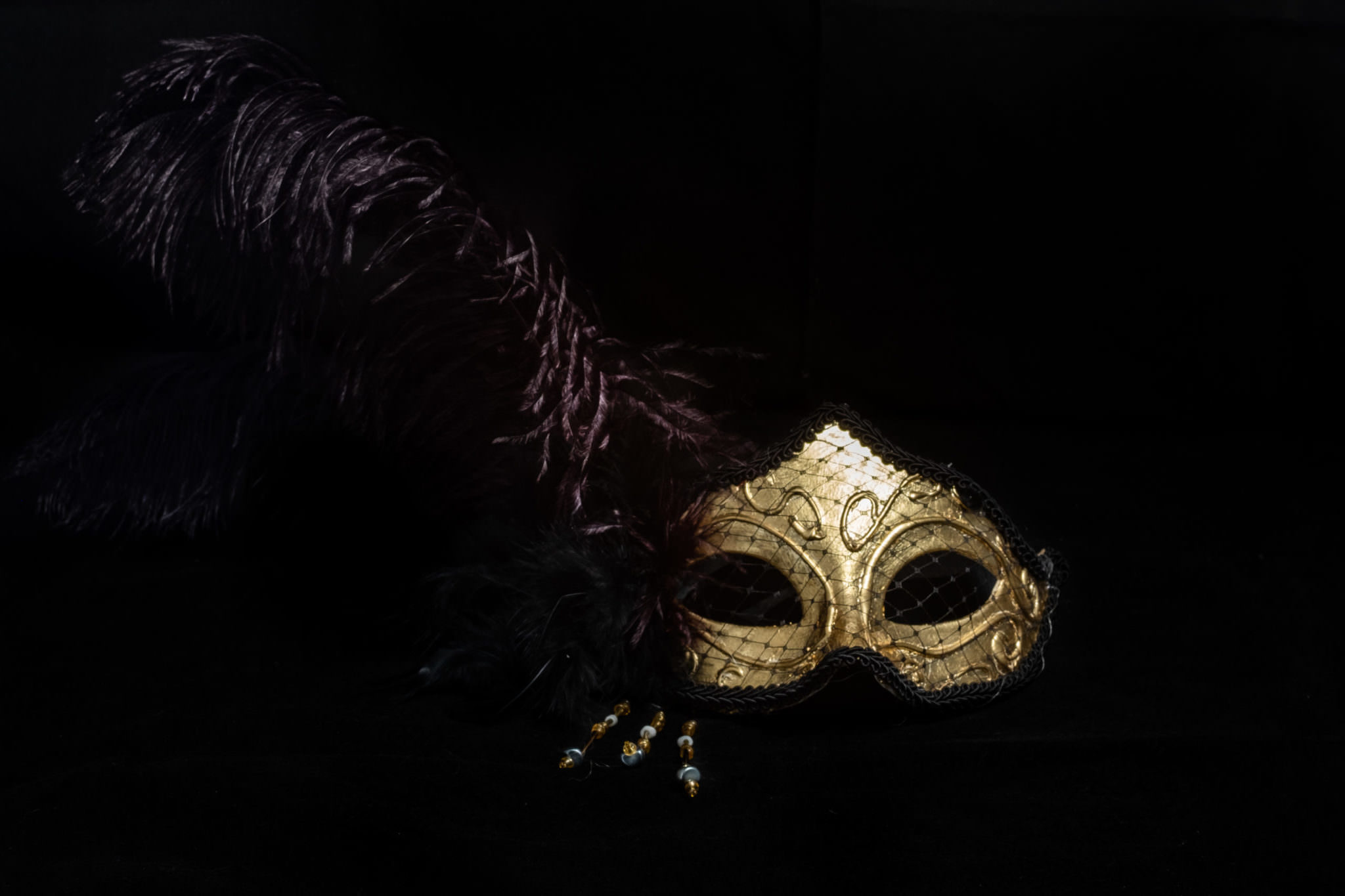
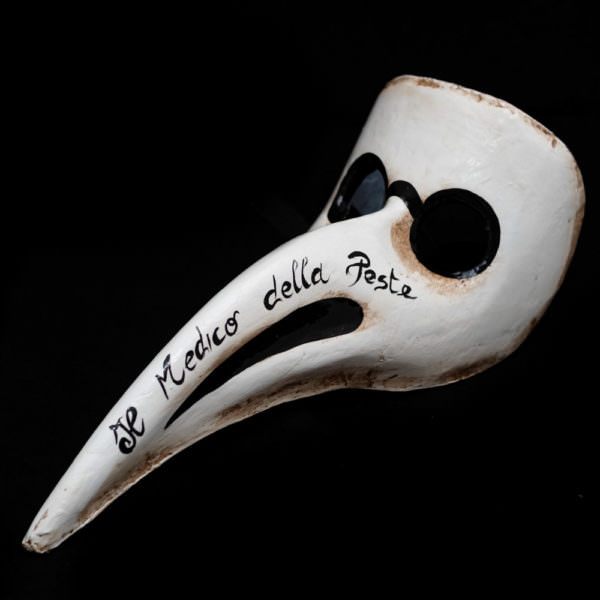
The appearance of the plague doctor’s mask that we know was created by Charles de Lorme, a 17th century French physician.
Although it is now used for Carnival, at the time it was used by doctors to protect themselves from the disease when they visited plague victims.
The mask covered the doctor’s face and the ovals at eye level were protected with two pieces of glass, while the long beak was filled with aromatic herbs able to filter and clean the air breathed by the doctor. Even if today it may seem an unnecessary precaution, at the time there was a widespread doctrine that contagion was due to unhealthy air.



Choose your mask!

Assorted Columbine mask

Captain’s mask from Commedia dell’Arte

Winged Lady Mask
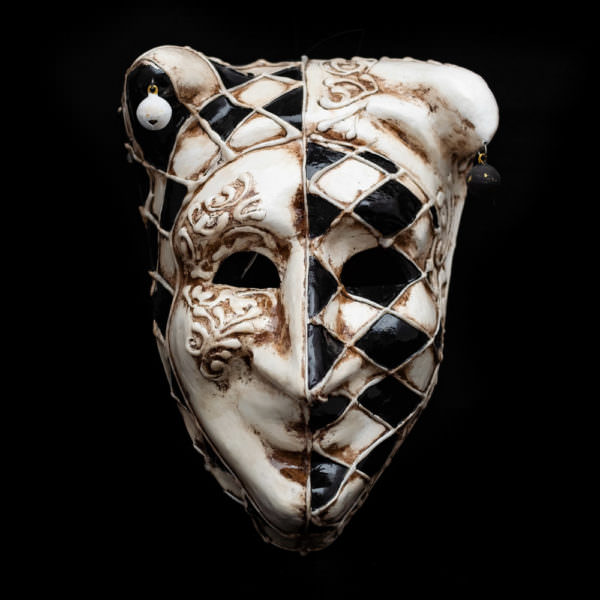
Dagoberto Mask

Swan Mask
